
5 must-do drives around Bucharest
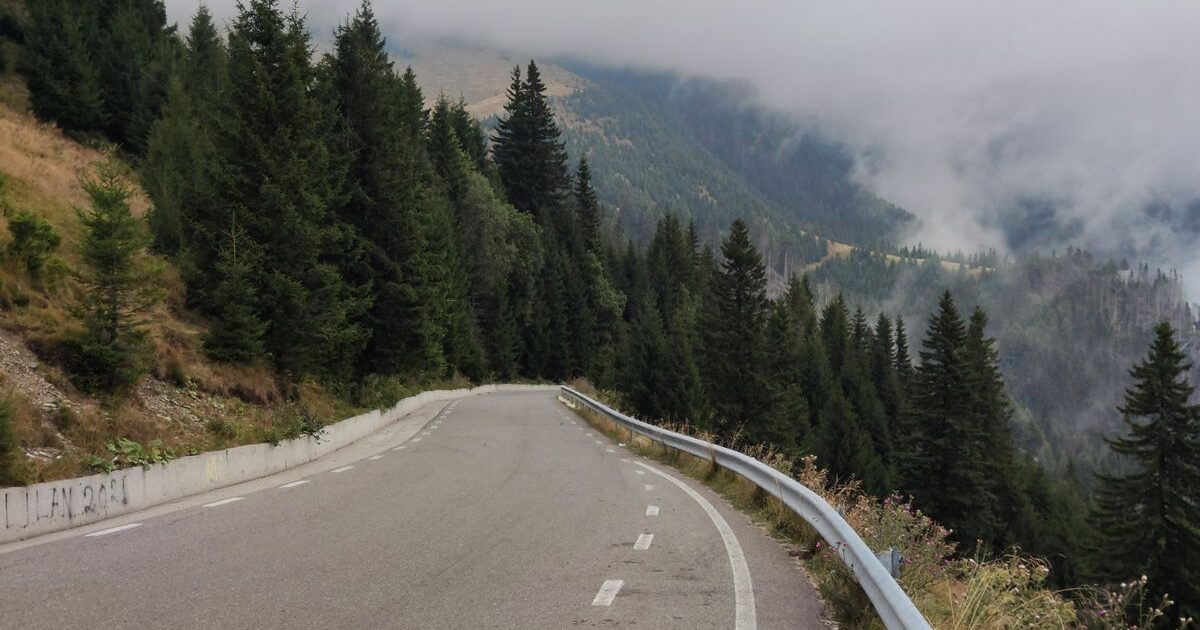
Bucharest is less than two hours’ drive from some of Romania’s most interesting sights — lakes with island monasteries, fortresses linked to Vlad the Impaler, former royal courts and a nature park with its own little delta. If you have a car and a free day or a weekend, you can do any of these five routes without rushing and without depending on train or intercity minibus timetables.
We have chosen five destinations that cover the whole range — from a 45-minute outing to a full day there and back — and for each one you will find the real distance from Bucharest, what is worth seeing, the best season and a driving tip that will save you an hour lost in traffic or in a crowded car park. If you haven’t booked your car yet, you can see all the available models in our fleet and fill in the booking form in a few minutes, with the final price shown instantly and no deposit.
1. Snagov Lake and Monastery — 40 minutes, the afternoon outing
Snagov is about 40 kilometres north of Bucharest on the DN1, a drive that normally takes 35–45 minutes from the north of the city (Pipera, Băneasa) and a little longer if you leave from the centre at rush hour. Snagov Lake is more than 15 kilometres long and, on a small island, is home to the monastery of the same name, built in the 16th century and best known for the legend that Vlad the Impaler is buried there — historians disagree on this point, but the empty tomb in the church remains one of the most photographed spots in the area.
Beyond the monastery, which you reach by boat from the nearby jetty for a small fee, the lakeshore is lined with restaurants with terraces on the water, rowing clubs and short walking paths through the surrounding oak forest. In summer you can hire pedalos or SUP boards, and in winter, when the edges of the lake partly freeze, it is a peaceful place for a walk of a few hours.
The best season for activities on the water is May to September, but the monastery and the forest around it are pleasant to visit the rest of the year too, when they are not crowded.
Driving tip: the DN1 towards Snagov gets busy on Saturdays and especially on Sunday afternoons heading back to Bucharest, so set off early in the morning if you can. The car park by the jetty is free but has limited spaces at weekends — if it is full, you will find a few informal spots along the road to the monastery. As it is a short route, any economy car, such as the Dacia Logan or Fiat Tipo, does the job perfectly and keeps fuel costs low.
2. Peleș Castle, Sinaia and the Prahova Valley — 1h30, the full-day outing
Sinaia is about 120 kilometres from Bucharest on the DN1 via Ploiești and Comarnic, a drive that normally takes an hour and a half but can stretch to two hours in summer or on busy weekends, when the Prahova Valley becomes one of the busiest road corridors in the country.
Peleș Castle, built at the end of the 19th century as the summer residence of King Carol I, is considered one of the best-preserved castles in Eastern Europe — allow at least an hour and a half for the interior tour, plus time for the gardens and for Pelișor, the smaller castle nearby. In the same area you can visit Sinaia Monastery, the oldest building in the resort, built in 1695, or take the cable car up to Cota 1400 and Cota 2000 for a panorama of the Bucegi Mountains.
The best season is June to September, when all parts of the castle are open to visitors and the nearby mountain trails are accessible. In winter Peleș stays open, but with shorter hours, and mountain roads may have stretches of snow and ice.
Driving tip: in Romania winter tyres are compulsory when roads are covered in snow or ice, and in the cold season our cars come fitted with them. Parking in central Sinaia is limited on Saturdays and Sundays — the easiest option is the official paid car park by the entrance to Peleș, which almost always has free spaces. On the bends in this area, a comfortable saloon such as the Skoda Octavia handles very well, and the Opel Astra automatic is economical over long distances; if you are travelling as a family with luggage, the Hyundai Kona gives you more room and better ground clearance — you will find a detailed comparison in the article SUV or saloon: how to choose the right car.
3. Curtea de Argeș and Poenari Fortress — 2 hours, a full-day route
Curtea de Argeș is about 180 kilometres from Bucharest, usually via the A1 motorway to Pitești and then the DN73C, a drive of roughly two hours in normal traffic.
In the town, Curtea de Argeș Monastery — Romania’s royal necropolis, where Kings Carol I and Ferdinand are buried — impresses with its Byzantine-oriental exterior decoration, unique among Romanian churches. About 25 minutes further on, above Lake Vidraru, stands Poenari Fortress, the real stronghold associated with Vlad the Impaler and historically far more authentic than Bran Castle. Getting there means climbing 1,480 concrete steps, a 20–30 minute effort, but the view over the Argeș Valley from the top is well worth it.
The best season is May to October — the steps up to Poenari become slippery and dangerous in rain or snow, and access is temporarily closed in bad weather.
Driving tip: a road vignette (rovinieta) is compulsory on Romania’s national roads and motorways — the cars in our fleet already have it, so you don’t need to buy one separately. The car park at the foot of Poenari Fortress is small and unpaved; arrive early in the morning at weekends, or you may have to park by the roadside. As this route is over 350 kilometres there and back, the mileage policy matters: most cars in our fleet have unlimited mileage, and at return you only need to bring the car back with the same fuel level as at pick-up, nothing else. For a long drive like this, a comfortable saloon such as the Skoda Octavia or Ford Mondeo, or the Hyundai Kona for the mountain section, are solid choices — and if you want to understand how renting with or without a deposit works before you set off, read our guide deposit or no deposit when renting a car.
4. Târgoviște, the former royal capital — 1h15, the half-day outing
Târgoviște is about 85 kilometres north-west of Bucharest, on the DN7 or DN71, a drive of around an hour and a quarter in normal conditions, a little longer if there are roadworks on the DN7 — check quickly before you leave, as sections of this route are often under repair.
The Princely Court of Târgoviște was the residence of the rulers of Wallachia for more than three centuries, including Vlad the Impaler and Michael the Brave. Its symbol is the Chindia Tower, a 15th-century watchtower rebuilt in the 19th century, which gives a good view over the whole complex. Next door, the History Museum and the Gheorghe Petrașcu House and Studio round off a visit of two to three hours.
You can visit practically all year round, but spring and autumn are the most pleasant times to walk around the open court; at midday in summer it can be uncomfortably hot, as there is little shade along the paths.
Driving tip: the route is simple, with no mountain sections, so it suits any car — a compact such as the Skoda Scala or even an economy car copes easily and keeps the cost per kilometre low. The car park next to Chindia Park is free and usually has spaces, even at weekends.
5. Comana Nature Park — 45 minutes, the short family outing
Comana is about 45 kilometres south of Bucharest, on the DN5 and then a county road, about 45 minutes’ drive from the south of the city.
Here you will find the largest protected area near the capital — a landscape of marshes and floodplain forest, sometimes called “the little delta near Bucharest”, with more than 3,000 hectares of reserve. You can take boat trips along the channels and go birdwatching (more than 130 species, including herons and gulls), and near the entrance stands Comana Monastery, founded in the 16th century, also with historical links to the time of Vlad the Impaler.
The best seasons are April to June and September, when the vegetation is at its best and birdwatching is most rewarding; avoid the days right after heavy rain, when the dirt access roads become hard going.
Driving tip: the last stretch to the reserve is a county road that isn’t always perfectly paved, so we recommend a car with slightly higher ground clearance — the Hyundai Kona or, for families with children and luggage, the 7-seat Opel Zafira are good choices. As it is a short outing, mileage isn’t an issue, but it is still worth booking ahead for weekends, because the parking spaces near the monastery fill up quickly after ten in the morning.
Quick recap before you set off
Whichever route you choose, a few simple checks will spare you unpleasant surprises:
- Check the documents needed to rent a car in Romania in advance — ID card or passport and driving licence.
- The minimum rental age is 21, with a licence held for at least one year — check this before choosing your car.
- For mountain routes such as Sinaia or Curtea de Argeș, choose May to October if you want full access to all the sights.
- The road vignette is already included on the cars in our fleet, so you don’t need to buy one separately for national roads or motorways.
- For short outings such as Snagov or Comana, an economy car keeps the cost per kilometre down; for mountain routes or long distances, a saloon or an SUV offers more comfort.
- Most cars in our fleet have unlimited mileage — especially useful on the Curtea de Argeș route, which is over 350 kilometres there and back.
- Book early for weekends, and especially in summer, when demand for cars rises sharply at all three pick-up locations.
Whichever route you choose, booking works the same way: pick the car, the dates and the pick-up location, see the final price instantly with no deposit, and fill in the online form in a few minutes; after you send it, our team will call you to confirm. You can pick up the car in central Bucharest, at Henri Coandă Airport in Otopeni or at Băneasa, whichever suits your route best. To find out more about who we are and how we work, see our about us page; and if you want to see all the available cars before choosing your route, the full fleet is just a click away.
October 2026 update: autumn is a great time for these routes, with less traffic than in summer. Check the opening hours of the sights before you set off, as some reduce their visiting hours out of season.
Note: the information in this article is general and may be updated as legislation changes. It does not constitute individual legal advice. For your specific situation, ask for a quote or call 0765.416.139.