
Why a car rental service helps you on holiday
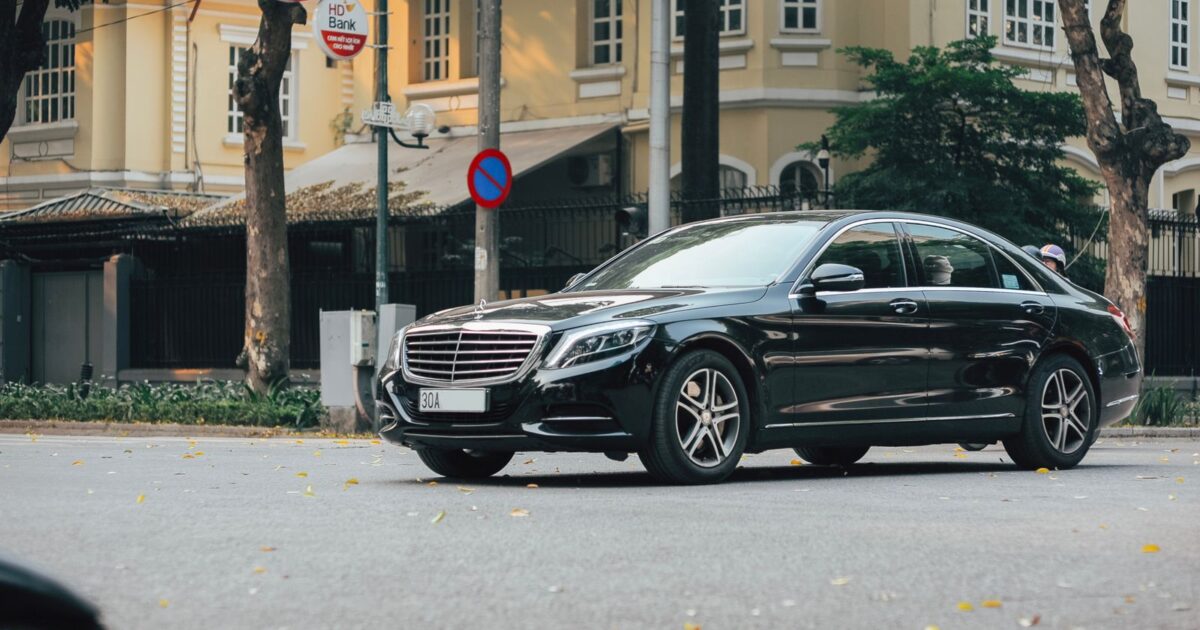
Renting a car at Otopeni: what you need to know before you hit the road
A practical guide for anyone who wants to rent a car in Bucharest without discovering unexpected costs, unclear conditions or obligations they hadn’t anticipated at the end.
You land at Otopeni, collect your luggage and think about the next step: getting to your hotel, a meeting or a destination outside Bucharest as quickly as possible. Renting a car seems the natural solution. You have freedom of movement, you don’t depend on public transport timetables and you can organise your trip on your own schedule.
However, there is an important difference between booking a car and renting one on good terms. The first takes a few clicks. The second requires you to understand what you get, what you pay and what you are taking responsibility for.
Many customers pay attention to the daily rate but ignore the deposit, insurance, fuel policy or return conditions. Sometimes problems arise from a clause that wasn’t understood. Other times, the customer and the company interpret the condition of the car or responsibility for damage differently.
This guide helps you look at car rental at Otopeni from a practical point of view. It isn’t enough to find an available car. You need to know whether the offer suits your trip and whether you can accept all the conditions of the contract.
1. The price of a rental car starts with the advertised rate, but doesn’t end there
One of the most common mistakes is choosing a car just because it has a low daily price. On rental websites, rates can look very attractive, especially when you book in advance or for a longer period. The problem arises when the customer discovers that the amount shown at first doesn’t cover all the costs of the rental.
A rate of 15 euros a day, for example, can mean 75 euros for five days, before any extra costs. This is an example calculation, not a verified price for a particular company. The final amount can depend on the protection you choose, the fuel policy, applicable charges, extra equipment and pick-up or return conditions.
That is why you need to distinguish between the base rate and the total cost of the booking. If you need an additional driver, are under a certain age or plan to travel outside Romania, the conditions may involve extra costs or approvals. Not all companies use the same rules, and a condition found in one offer shouldn’t be assumed to apply across the market.
Another thing worth checking is the rental period. The daily rate can vary with the number of days booked. A car rented for three days may have a different daily price from the same category booked for a week. Late return may also incur costs under the contract, even if the delay seems small.
Before you confirm your booking, look at the offer as a complete budget. How much will you pay for the period you need? Which services are included? What costs might arise if you change your plans? The answers to these questions matter more than the big number at the top of the page.
How to check the real cost of the rental
Before you pay, look at a few essential points:
- The total price for your chosen period.
- The charges included and those that may be applied separately.
- Mileage conditions.
- The fuel policy.
- The cost of extra protection.
- Charges for additional drivers.
- Pick-up and return conditions.
- The cancellation or change policy.
A transparent offer isn’t necessarily the cheapest. It is one whose conditions you can understand before you commit to paying.
2. A deposit is not an administrative detail — it is a financial obligation you need to plan for
When you book a car, you think about the amount you will pay for the rental. At pick-up, though, there may be a second important financial element: the deposit.
Depending on the company, it may be temporarily blocked on your card through a pre-authorisation. The money isn’t necessarily taken for good, but that amount may be unavailable for other spending until the bank and the company complete the release process.
This is where many customers find out too late. They have enough money to pay for the rental but not the limit needed for the deposit. Or they have a card that doesn’t meet the company’s conditions. Whether debit and credit cards are accepted, the limits required and the requirements for the cardholder vary by operator and offer.
It isn’t enough to ask “How much is the car?”. The right question is: “How much do I need to have available at pick-up, and under what conditions will it be released?” (At Skycar there is no deposit: nothing is blocked on your card.)
Understanding the insurance is just as important. Terms such as “full protection” or “insurance included” need to be checked against the actual conditions of the contract. A protection package may have exclusions and leave certain obligations with the customer.
The excess is the part of a damage claim for which the customer may remain liable, under the applicable conditions. The deposit is an amount the company asks for to cover the obligations in the contract. The two should not be confused.
For example, an offer may include protection that reduces your liability for certain damage but excludes situations such as filling up with the wrong fuel, damage to the interior, unauthorised use or driving in prohibited conditions. The details vary, which is why you should read the company’s documents.
Questions worth clarifying
Before you get to the desk, check:
- What is the exact amount of the deposit?
- Which type of card is accepted?
- Does the cardholder have to be the main driver?
- What is the excess for the car you have booked?
- Which situations are excluded from the protection?
- How long can it take for the deposit to be released?
Don’t assume that a general explanation found on a website automatically applies to your booking. The conditions must be confirmed for the company, car category and period you have chosen.
3. The first few minutes after pick-up can shape your whole rental experience
After a flight, it is natural to want to leave as quickly as possible. You may have a meeting, a long drive or a family waiting for you. But rushing at the desk can cause problems if you don’t check the documents and the condition of the car before you leave.
There are car rental services around Henri Coandă Airport, and the exact procedure depends on the company you choose. Some bookings involve pick-up at the airport itself, while others may mean going to an off-site location. Check in advance where you need to go, how to find the representative and what happens if your flight is delayed.
Once you receive the car, don’t settle for a quick glance at the bodywork. Inspect the car methodically. Check the bumpers, doors, sills, wheels, windscreen and mirrors. Pay attention to the interior too: seats, dashboard, boot and the equipment you requested.
If you notice a scratch or damage that isn’t on the handover document, ask for it to be clarified and recorded before you leave. It doesn’t matter if the problem seems small. What matters is that there is a record of the car’s condition at the moment you received it.
Photos and videos can be useful as documentation. Take clear pictures from several angles and keep them until the rental is over and any obligations have been settled. They are not an absolute guarantee against a dispute, but they can help establish the situation at the start of the contract.
Also check the practical details: fuel level, mileage, the spare wheel or puncture repair kit where relevant, and the equipment included in your booking.
Don’t drive out of the car park before you understand what you have received and have pointed out any discrepancies. A few minutes of attention can be worth more than a few minutes saved by rushing.
4. Which car suits Bucharest and the roads outside the city?
Choosing a car should start from the route you will drive, not just the look of the car or the advertised price.
If you will mainly drive between the airport, your hotel and a few places in Bucharest, a compact car may meet your needs. Its smaller size can be useful in city traffic and when looking for a parking space. If you have several passengers, bulky luggage or plan journeys of a few hundred kilometres, interior space and comfort can become the priority.
A common mistake is choosing the smallest car available without checking whether it can comfortably carry everyone and all the luggage. Another is assuming that an SUV is automatically the better solution. Size, fuel consumption and ease of parking can matter more than first impressions.
An automatic gearbox can be convenient for city driving, especially if you prefer not to change gears manually in heavy traffic. If you are used to a manual gearbox, the choice depends on your preferences and experience. What matters is booking a category and transmission you can drive safely and confidently.
Planning your route is just as important. A drive from Otopeni to central Bucharest can be affected by your arrival time, traffic and roadworks. If you have an appointment at a set time, allow a realistic margin.
Parking should be part of the plan. Check in advance whether your accommodation has spaces available and whether there is a charge. In some areas, finding a suitable space can take time and patience.
If you plan to go to Brașov, Constanța or other towns, check the distances and the time needed. Don’t turn an already busy schedule into an exhausting route. A rental car gives you freedom, but it doesn’t remove the limits of time, traffic and physical energy.
5. Read the contract before you sign it, not after a problem arises
The rental contract sets out the relationship between the customer and the company. It specifies how the car may be used, the driver’s obligations and the conditions that can lead to extra costs.
One of the important clauses concerns who is authorised to drive the car. If you plan to share the driving with a partner, friend or family member, check whether they need to be officially added to the contract. Having a driving licence doesn’t automatically mean someone can drive the car under the terms of the contract.
The mileage limit is another relevant point. Some offers include unlimited mileage, while others set limits depending on the period or category. If you have planned a tour of several towns, estimate the total distance and check whether the offer is suitable.
Crossing the border requires special attention. If you want to go to Bulgaria, Hungary or another country, don’t assume permission is automatic. The company may require prior approval, documents or extra charges. Some countries may be excluded from the terms of use.
The return should also be considered before you book. What happens if your flight leaves early in the morning? Is there a procedure for leaving the keys outside opening hours? What are the conditions if you return the car late? The answers should be found in the company’s documentation.
A clause that seems unimportant before your trip can become essential during it. For example, if your plans change and you need to extend the rental, don’t assume you can automatically keep the car for another day. Ask for approval and confirmation of the cost.
The most important parts of the contract
Before you sign, pay attention to the following:
- Liability for damage.
- Insurance conditions and exclusions.
- Fuel and mileage.
- Authorised drivers.
- Extensions and late return.
- Cancelling the booking.
- Use outside Romania.
- Administrative charges and fines.
A contract you understand from the start reduces the risk of making the wrong decisions during the rental.
6. How to compare car rental companies at Otopeni
Choosing a company shouldn’t be based on the daily rate alone. Two offers may have similar prices but different conditions regarding the deposit, insurance, opening hours and the customer’s responsibilities.
First, check the company’s official information. Are the rental conditions clearly explained? Can you find the amount of the deposit? Are payment methods and driver conditions mentioned? If you have to contact the company for every essential piece of information, pay attention to how the answers are worded.
Other customers’ reviews can help you assess a company, but they shouldn’t be interpreted without context. A negative review doesn’t always explain the whole situation, and an overall score doesn’t give you every detail you need. Look for recent comments and see whether problems with deposits, the condition of the cars, communication or returns come up repeatedly.
If you book through an intermediary platform, check who actually manages the contract. The platform may handle the booking, while the local company provides the car and sets the handover conditions. Before you pay, make sure you know who to contact if there is a change or a problem.
Compare offers on equivalent terms. If one includes a certain protection and another doesn’t, the starting rates can’t be considered separately from the differences in cover. Likewise, if one offers unlimited mileage and the other has a limit, the cost should be measured against the route you plan to drive.
A useful question for any company is: “Which costs and conditions don’t appear in the base rate but may apply to my booking?”
The answer can help you spot the differences between offers before you decide.
7. How to prepare for a trouble-free rental
A good experience doesn’t depend only on the company or the car you choose. It also depends on how you prepare your booking and handle each stage.
Before confirming the rental, decide on the exact period, the number of passengers and your main routes. If you are on a tight budget, don’t just calculate the base rate. Include the potential costs of fuel, parking, charges and extra protection, where applicable.
Check the required documents and payment conditions. If you need an additional driver or plan to cross the border, clarify this before pick-up. Keep your booking confirmation and the applicable terms somewhere easy to find.
At pick-up, check the car and record any discrepancies. Photograph its condition and confirm the information in the documents. Don’t sign in a hurry if there is anything you don’t understand.
During the rental, follow the contract terms and keep the relevant documents. If there is a technical problem, an accident or an unforeseen situation, contact the company and follow its instructions. Don’t assume that any expense you pay yourself will be automatically reimbursed.
When you return the car, stick to the agreed time and place. Check the procedure if you need to return the car outside opening hours. Keep proof of the return and your final photos, especially if the procedure doesn’t involve a direct check with a representative.
Final checklist
Before booking
- Compare the total cost.
- Check the deposit and the accepted card.
- Read the insurance conditions.
- Confirm the fuel policy.
- Check mileage and border restrictions.
At pick-up
- Inspect the exterior and interior.
- Photograph any damage.
- Confirm the fuel level and mileage.
- Check the equipment you requested.
- Keep the handover documents.
At return
- Stick to the agreed time and place.
- Check the key return procedure.
- Document the condition of the car.
- Keep proof of the return.
- Follow the release of any deposit according to the applicable conditions.
Conclusion: before you rent a car, make sure you understand the whole transaction
Renting a car at Otopeni can be a practical solution for getting around Bucharest and travelling to other parts of the country. It gives you flexibility and lets you organise your time without depending on other means of transport.
But that flexibility comes with responsibilities. You need to know the conditions of use, understand the financial obligations and check the condition of the car before you set off.
Don’t stop at the first offer with an attractive price. Compare the total cost. Ask about the deposit. Read the clauses on damage, drivers and returns. If anything is unclear, ask for an explanation before you sign.
A well-prepared rental doesn’t mean every unforeseen situation can be eliminated. It means you enter the contract with enough information to make responsible decisions.
The most important rule is simple: don’t just rent the car. Understand the conditions under which you receive it, use it and return it.
This approach helps you turn a rushed booking into a considered decision that fits your real needs.
October 2026 update: one advantage many people only discover on the spot is the time saved. With a car picked up straight at the airport, you don’t wait for transfers or taxis and can head off immediately to your accommodation or the first stop of your holiday.
Note: the information in this article is general and may be updated as legislation changes. It does not constitute individual legal advice. For your specific situation, ask for a quote or call 0765.416.139.